


Building a Green Building Integrated Protection Enabler | Hongbo Group
Release time:2022-07-16
HONGBO
Energy Transformation under Dual Carbon Goals
Energy transition under dual carbon targets
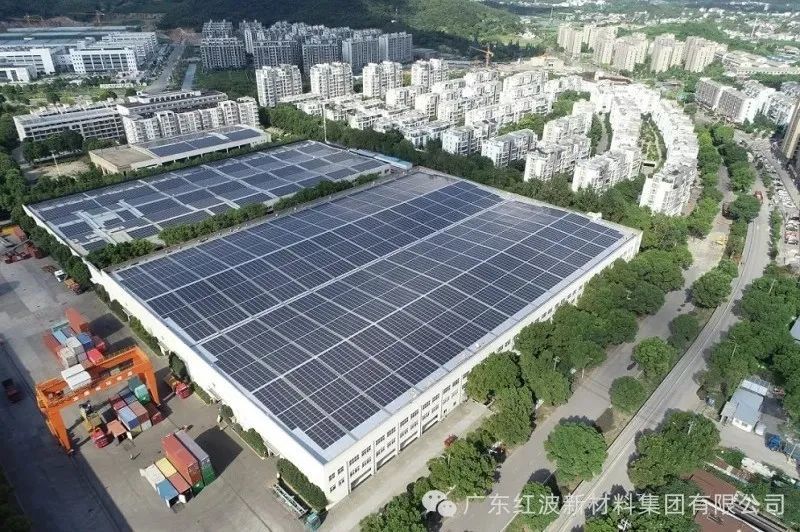
Since China first proposed the dual carbon goals of "achieving carbon peak before 2030 and carbon neutrality before 2060" in 2020, it has introduced a series of policies and measures, constantly moving towards the ultimate goal and actively promoting the development of green industries, including building-integrated photovoltaics. Given that the carbon emissions from the operation of buildings in China currently account for more than 20% of the country's total carbon emissions, building-integrated photovoltaics has become an important focus of current energy transformation due to its ability to provide clean energy.
about
01
Broad Prospects for Photovoltaic Roofing
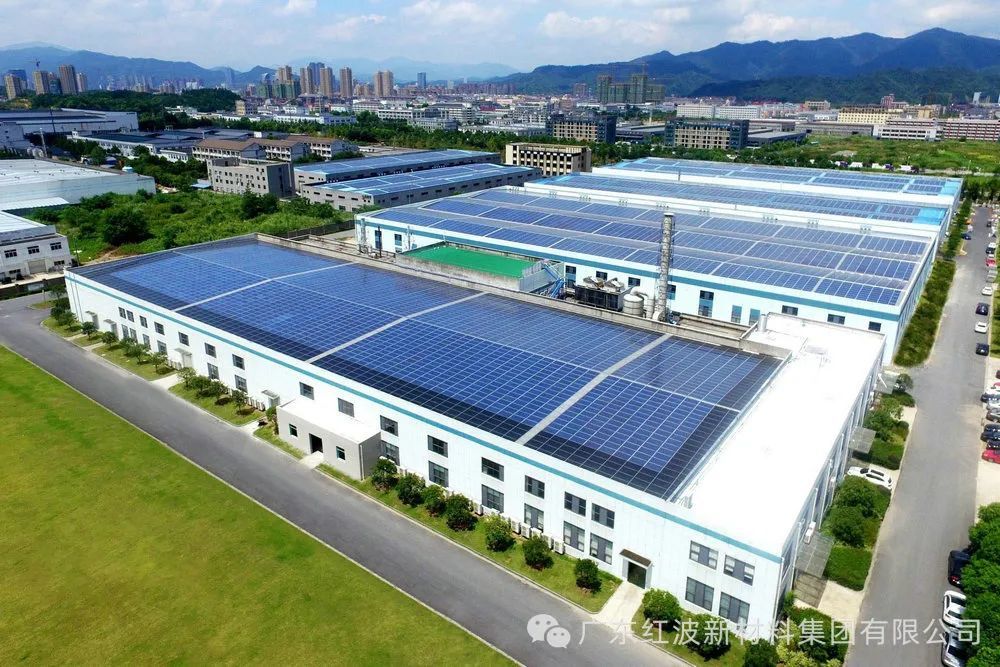
Starting from the 14th Five-Year Plan period, the National Energy Administration issued a notice to organize and carry out pilot projects for the development of distributed photovoltaic power generation on rooftops nationwide, and clarified the photovoltaic installation ratios for different types of roofs: no less than 50% for party and government organs, no less than 40% for schools, hospitals, village committees and other public buildings, and no less than 30% for industrial and commercial roofs.
Development Prospects
02
Pain Points of Photovoltaic Roofing Arouse Concern
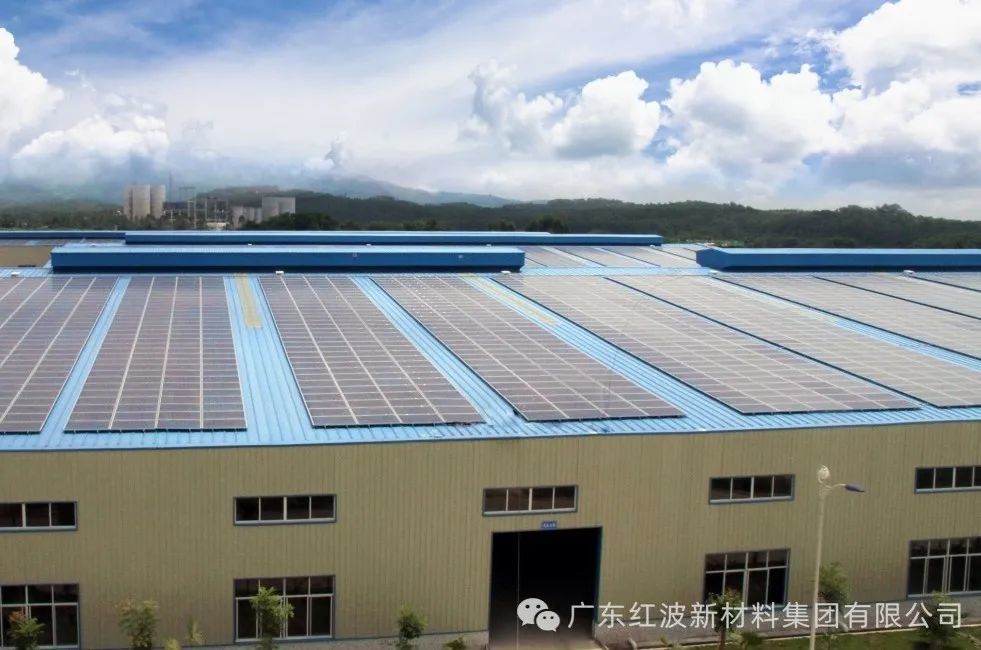
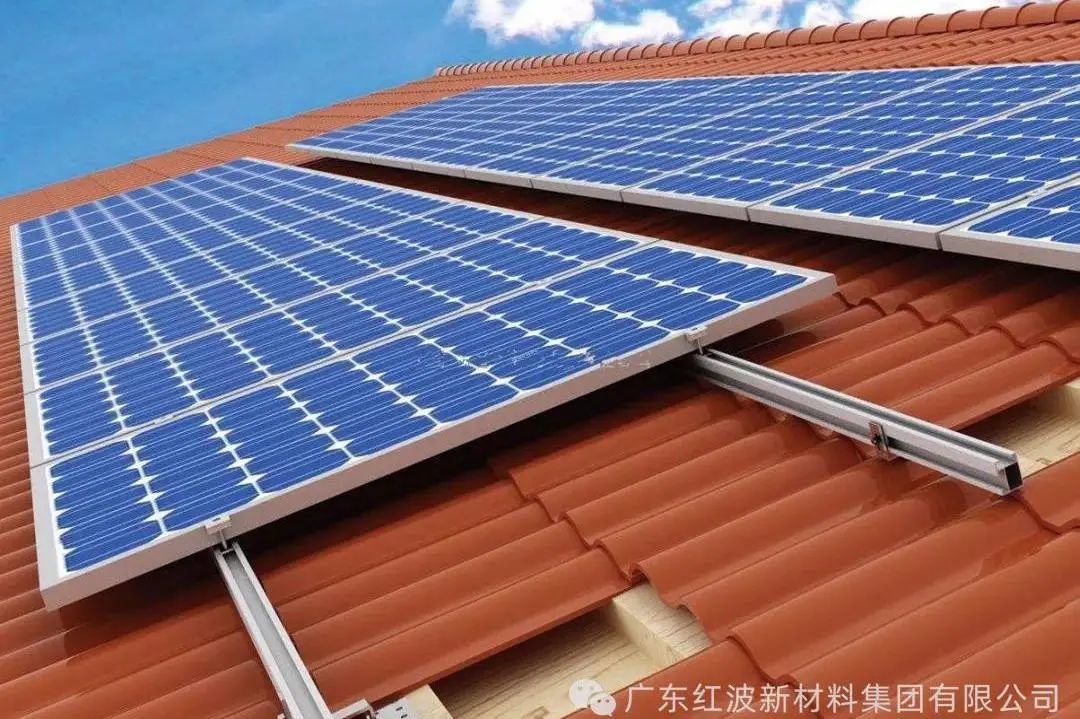
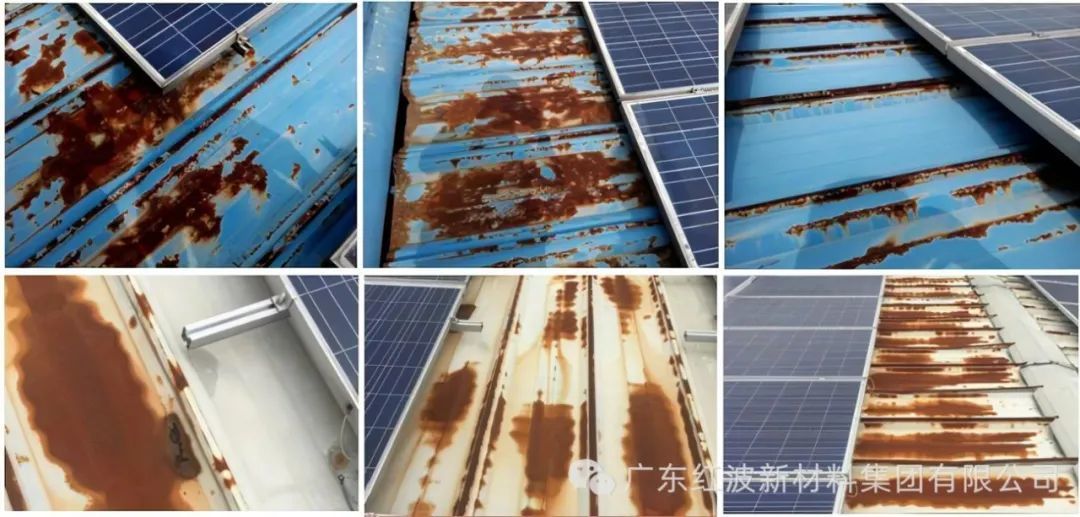
However, with the accelerating development of distributed photovoltaic roofing, its potential pain points have gradually attracted attention. Because the operating life of photovoltaic panels in the photovoltaic system far exceeds the service life of commonly used roof tiles, the problem of later repair and maintenance has become one of the most urgent issues that needs to be addressed.The design service life of photovoltaic components in photovoltaic power generation systems is about 25 years, while the service life of ordinary color-coated steel tiles is usually around 5 to 8 years due to problems such as rust and aging, which is far less than the service life of distributed photovoltaic roofing.Moreover, once the color-coated steel tiles corrode and age, the photovoltaic components must be removed before repair and renovation can be carried out on the building, which greatly increases the cost and difficulty of building renovation. Therefore, the corrosion resistance and weather resistance of roof tiles have become one of the pain points of photovoltaic projects.
Addressing the Pain Points
03
Solutions
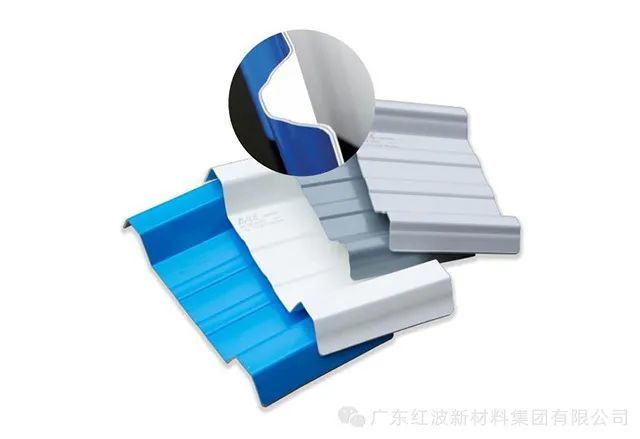
Hongbo APVC photovoltaic tiles adopt a four-layer technology (ABCB) processed in one go, with each layer of material providing different functions. Among them: Surface material A layer: Uses a super-weather-resistant and anti-corrosion composite film to ensure the product's color durability, weather resistance, and chemical corrosion resistance; B layer: White, tough, and wear-resistant material, to increase the sense of space and brightness of the factory building; C layer: High-rigidity light-shielding and heat-insulating modified PVC material, ensuring strength while increasing rigidity; The four different materials are organically combined,solving problems such as the long-lasting color, weather resistance, corrosion resistance, rigidity, sense of space, and aesthetics of the product. It is also worth mentioning that Hongbo APVC photovoltaic tiles, when used in combination with C-type plastic steel anti-corrosion purlins, can have a service life equal to that of photovoltaic panels,greatly solving the pain points of future use and maintenance of photovoltaic roofs.
Strength Building Momentum
END
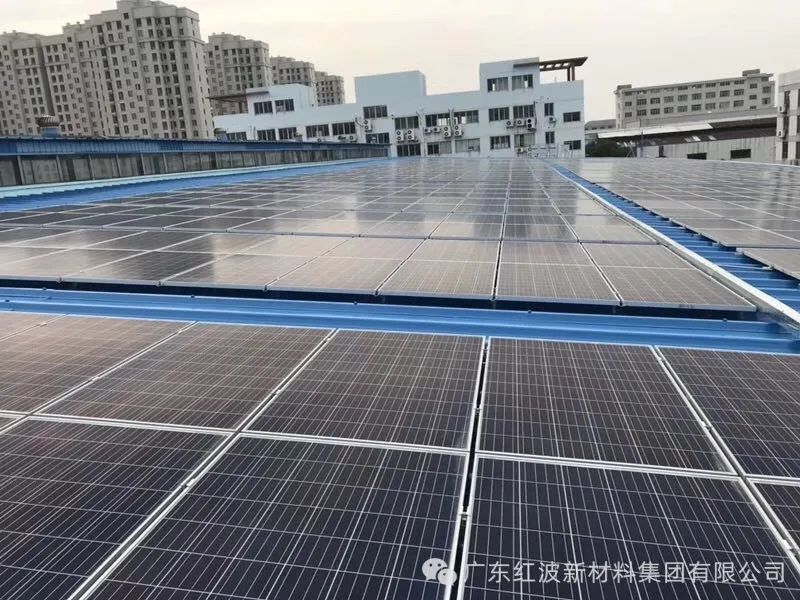
China actively practices energy conservation and emission reduction, making it a national strategy and goal. Hongbo Group adheres to the concept of green development, and develops Hongbo APVC photovoltaic tiles to promote the development of building-integrated photovoltaic projects, striving to "plant trees" on rooftops, reduce buildings' reliance on traditional energy, and make "ultra-low energy consumption buildings" and even "zero energy consumption buildings" possible. Hongbo APVC photovoltaic tiles make rooftops more beautiful while achieving high cost-effectiveness, perfectly embodying low-carbon environmental protection and green living!
Related News
Contact Us

National unified service hotline
400-161-3388
No.6 (F1-F9), Residential Quarter B, South of Leping Town Central Science and Technology Industrial Zone Planning, Sanshui District, Foshan City, Guangdong Province
Powered by www.300.cn | SEO Tags | Privacy Policy